


Research Overview
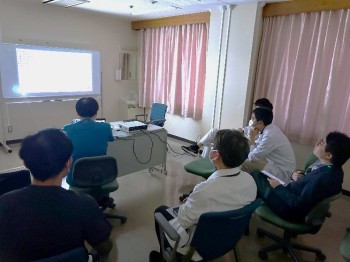
The Molecular Pathology Division of the Research Institute welcomes not only pathologists from the Department of Pathology but also clinical physicians from other departments who are interested in research. Each member conducts research aligned with the common theme, “Approach the improvement of cancer patient treatment outcomes and prognoses through pathology-based studies.” Regular research meetings are held to discuss ongoing studies, fostering a collaborative environment. Below is an overview of the research being conducted in the Molecular Pathology Division.
1. Characterization of Tumor Progression Patterns Reflecting Biological Characteristics of Biliary Tract Cancer (Intraductal Carcinoma Component; IDCC) and Elucidation of Its Molecular Mechanisms
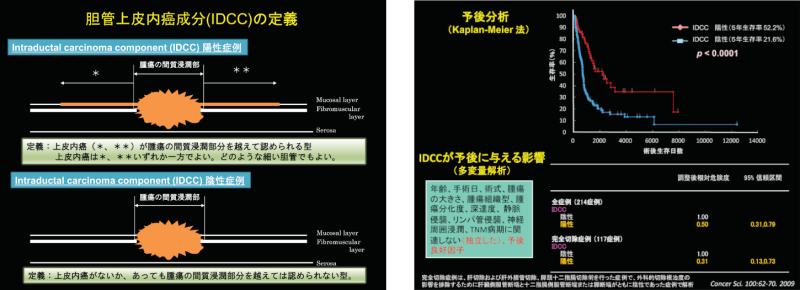
Through detailed observations of macroscopic and histological findings in numerous biliary tract cancer surgical specimens, correlated with clinical outcomes, we identified two major patterns of tumor progression:
IDCC-associated type, characterized by the presence of intraductal carcinoma components around the tumor.
Non-associated type, lacking such components.
Approximately 37% of resected cases fell into the IDCC-associated type, which exhibited less invasive growth and better prognosis compared to the non-associated type. This finding suggests that IDCC-associated type serves as a powerful prognostic factor and a new guideline for therapeutic decision-making, particularly in assessing the clinical and pathological significance of bile duct resection margins.
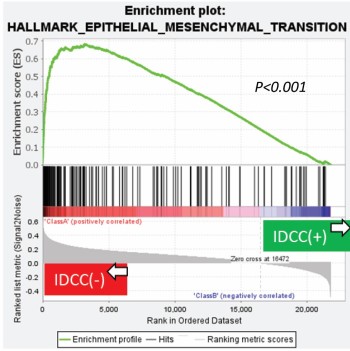
Gene expression profiling and Gene Set Enrichment Analysis (GSEA) linked to a clinicopathological database revealed that the non-associated type showed significantly higher expression of genes related to invasion, proliferation, and metastasis, especially epithelial-mesenchymal transition (EMT)-related genes, regardless of tumor site. These results not only provide molecular pathological validation of IDCC’s clinicopathological features but also highlight EMT’s critical involvement in biliary tract cancer progression. Efforts are ongoing to identify additional molecular contributors.
2. Establishment of Extensive Biliary Tract Cancer Biorepositories and Databases
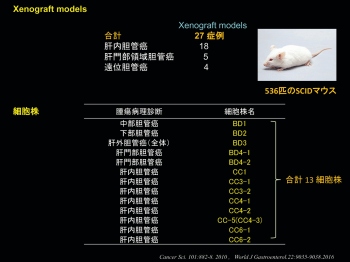
To identify functional molecules reflective of biological characteristics and to verify their clinical applications, we established extensive biorepositories of biliary tract cancer specimens, linked to clinical, pathological, and genetic information.
At the National Cancer Center, we collected frozen resection specimens and established xenograft models and cell lines using immunodeficient mice. This effort resulted in:
Approximately 250 frozen specimens
26 xenograft models, one of the largest collections in Japan
13 cell lines, including subtypes
These resources, combined with a clinicopathological database of nearly 600 cases and genetic expression/abnormality data, provide a comprehensive platform for systematic biliary tract cancer research. Collaborative studies using these resources are ongoing with the National Cancer Center, and some cell lines are distributed via the Tohoku University Cell Resource Center (https://www2.idac.tohoku.ac.jp/dep/ccr/index.html).
3. Preclinical Trials of Novel Anticancer Drugs
Given the lack of effective chemotherapy for biliary tract cancer, we conducted preclinical trials of multiple novel anticancer drugs in collaboration with pharmaceutical companies. These trials utilized our biorepository and database and included drugs targeting tyrosine kinase molecules, such as Epidermal Growth Factor Receptor (EGFR) and Vascular Endothelial Growth Factor Receptor (VEGFR), which play significant roles in tumor invasion and growth.
The trials demonstrated effective drug responses, confirming the involvement of these molecules in tumor progression. Some drugs were further advanced to clinical trials through collaboration with clinicians and pharmaceutical companies. This system will continue to facilitate the discovery of new candidate molecules and their inhibitors for preclinical evaluation.
4. Molecular Pathological Studies on the Diversity of Intrahepatic Cholangiocarcinoma
We are conducting morphological classification of intrahepatic cholangiocarcinoma based on histological findings and linking these classifications to gene expression analysis. Comprehensive gene expression profiling has identified subtypes with unique clinicopathological features, and we are working to elucidate molecular biological mechanisms associated with these subtypes, potentially leading to therapeutic advancements.
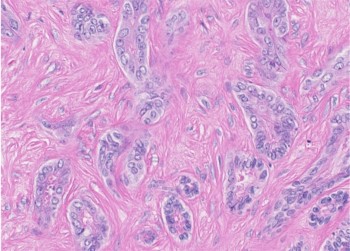
Histology of Intrahepatic Cholangiocarcinoma
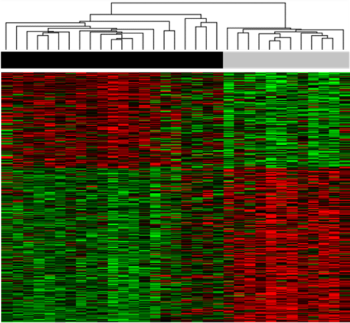
Gene Expression-Based Classification
5. Integrated Analysis of Sarcoma Using Histological and Genetic Profiles
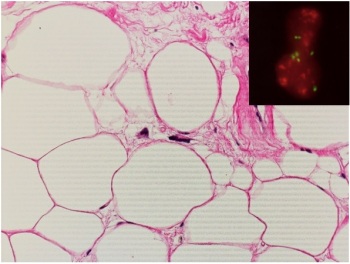
Sarcomas are classified based on distinctive histological features and genetic alterations, such as gene fusions or mutations. However, due to their rarity and the limited availability of specific diagnostic antibodies, diagnosing sarcomas remains challenging.
Leveraging a large repository of sarcoma cases, we employ FISH and NGS-based integrative analysis to improve diagnosis, classification, and understanding of disease mechanisms. Additionally, we are developing diagnostic support tools and classification systems using deep learning.
6. Correlation Between Preoperative Tumor Marker Elevation and Postoperative Prognosis in Pancreatic Cancer
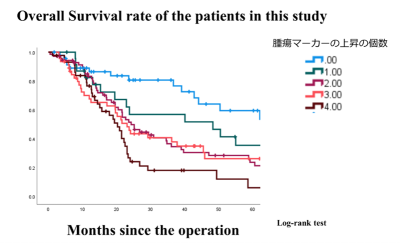
Despite the introduction of preoperative chemotherapy as the standard treatment in Japan since 2020, recurrence rates after pancreatic cancer resection remain high. Predicting prognosis before surgery is crucial. We are analyzing the correlation between preoperative tumor marker levels and prognosis, focusing on tumor markers measurable prior to surgery.
7. Omics-Based Classification of Hepatocellular Carcinoma (HCC)
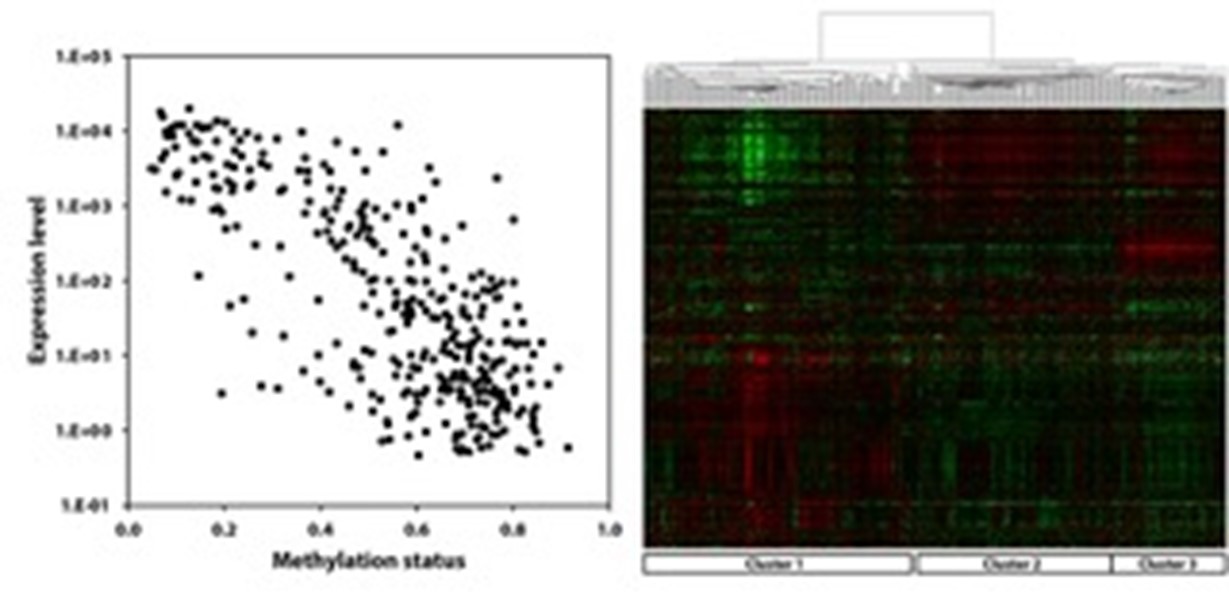
Omics-based subtype classifications have been conducted for many cancers to improve treatment selection, prognosis prediction, and personalized therapies. While gene expression profiles have primarily been used for HCC classification, we aim to integrate other omics data to establish new subtypes that may contribute to HCC treatment.
8. Deep Learning for Lung Adenocarcinoma Diagnosis and Clinicopathological Significance
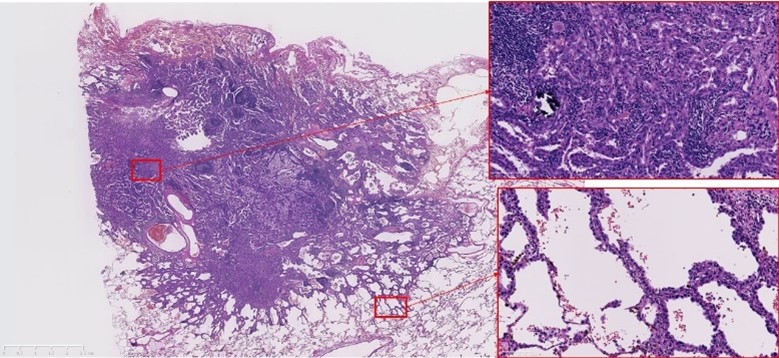
Lung cancer remains one of the leading causes of cancer-related mortality worldwide. Among its subtypes, lung adenocarcinoma is the most prevalent. We are developing a deep learning model to classify lung adenocarcinoma into finer subtypes.Although the relationships between subtype classification, malignancy, and pathological factors such as vascular invasion are gradually being understood, many questions remain. By leveraging deep learning, we aim to uncover further insights into the prognostic impact of these classifications.